Neurodiversity Coaching with Hypfocus
MELBOURNE
Hypfocus Therapies
Neurodiversity Coaching
Melbourne
By Hypfocus Therapies
Neurodiversity coaching at Hypfocus is designed to honour the way your brain works, not push you into a one‑size‑fits‑all model. It combines evidence‑informed strategies, practical tools, and deep respect for lived experience to help you build a life that feels more sustainable, authentic, and values‑aligned.
What Is Neurodiversity Coaching?
Neurodiversity coaching recognises that differences in attention, sensory processing, communication, and information processing are part of natural human variation, not defects to be fixed. It is particularly supportive for people who identify with, are diagnosed with, or are exploring:
ADHD
Autism
AuDHD
Sensory processing differences
Dyslexia, dyspraxia, and other learning differences
“High masking” or late‑identified neurodivergence
Coaching focuses on day‑to‑day challenges and goals rather than diagnosis. It is collaborative, practical, and deeply person‑centred, with an emphasis on consent, choice, and safety.
Key Areas We Can Work On
Every coaching plan is tailored, but common focus areas include:
Executive function and daily life
Time blindness, task initiation, follow‑through, and planning
Using tools like body doubling, task breakdown, micro‑rewards, and visual time‑maps
Reducing overwhelm by aligning routines with your energy and sensory rhythms
Sensory regulation and burnout
Understanding your unique sensory profile (hypersensitive, hyposensitive, or mixed)
Creating sensory‑friendly environments, both at home and online
Developing personalised “recovery rituals” for after work, social events, or transitions
Sleep, rest, and energy management
Adapting traditional “sleep hygiene” so it actually fits a neurodivergent nervous system
Using sensory tools (weighted items, sound, light, movement) to support rest
Working with, not against, your natural rhythms where possible
Communication, relationships, and masking
Naming and exploring masking, identity fatigue, and autistic/ADHD burnout
Navigating communication differences at work, home, and socially
Practising scripts for self‑advocacy, boundary‑setting, and asking for accommodations
Self‑esteem, identity, and values
Reframing long‑held “deficit” stories into strengths‑based narratives
Mapping core values, interests, and “hidden strengths”
Exploring post‑traumatic growth after misdiagnosis, chronic masking, or invalidation
How Neurodiversity Coaching Is Different
Values‑Aligned, Neurodiversity‑Affirming
This work is grounded in autonomy, dignity, and equity. Instead of compliance‑focused models, we look at:
What actually works for your nervous system and sensory profile
How to define “success” on your terms
How to build environments, habits, and supports that meet you where you are
Sessions, tools, and homework are designed to be flexible and collaborative, not prescriptive.
Trauma‑Aware and Consent‑Led
Many neurodivergent people carry experiences of:
Being misunderstood or pathologised
Medical or educational trauma
Chronic masking in order to be accepted
Coaching here is trauma‑aware and informed by counselling training. In practice, that means:
Informed consent as an ongoing conversation, not a one‑off form
Multiple ways to say “yes”, “no”, or “pause” (not just verbally)
Pacing that respects shutdown, overwhelm, and energy limits
You do not need to perform, mask, or “have it together” to be welcome.
Sensory‑Aware and Practical
Instead of asking you to sit still, “just relax”, or rely solely on internal awareness, we use external, multisensory supports, such as:
Visual timers, timelines, and storyboards
Weighted tools, fidgets, and movement breaks
Sensory zoning, environment design, and “coping tool stations”
Concrete, literal language rather than vague metaphors
Your stimming, pacing, doodling, or using comfort items are not “bad habits” here; they are recognised as regulation tools.
Tools and Approaches We May Use
Depending on your goals and preferences, we may draw on:
Executive function supports
Visual planning (boards, templates, storyboards, comics)
Time‑mapping with zones (Morning, Midday, Afternoon, Evening)
“If/then” scripts for tricky situations (shopping, social events, work tasks)
Sensory and nervous system strategies
Identifying sensory‑seeking vs sensory‑avoiding patterns
Designing sensory‑friendly routines and spaces (including virtual sessions)
Proprioceptive and movement‑based regulation (stretching, resistance, deep pressure)
Embodiment and regulation for both coach and client
Gentle breathing options (only where wanted and safe)
Grounding through posture, movement, and sensory anchors
Permission‑centred meditation and mindfulness alternatives
Narrative and identity‑focused work
Externalising problems (“the burnout”, “the Mask”) rather than blaming the person
“Hidden strengths” mapping in social, creative, analytical and sensory domains
Identity mapping, expressive arts, and future‑self exercises
Family and system‑focused strategies (where relevant)
Supporting parents or partners to understand neurodivergent needs
Creating visual supports, sensory zoning and shared rituals at home
Developing more equitable roles and routines within the family system
Content and Resources to Support You
People process information differently, so resources are offered in a range of formats, such as:
Written guides and blog posts for self‑paced learners
Visual tools (maps, infographics, checklists, comics)
Worksheets, self‑assessments, and planning boards
Stories and examples that normalise neurodivergent experiences
Where possible, materials are provided in accessible, low‑jargon, UK English and can be adapted further on request.
Accessibility and Pricing
Neurodivergent people often face financial and structural barriers to support. To respond to this, options may include:
Individual one‑to‑one coaching sessions
Group programmes or workshops to reduce per‑person cost
Bundled sessions or instalment options
Occasional low‑cost or scholarship places where sustainable
You can contact Hypfocus to discuss what feels workable for you at this point in time.
Is Neurodiversity Coaching Right for You?
You might find this work helpful if you:
Are exhausted by masking and want safer spaces to be yourself
Feel stuck in cycles of burnout, overwhelm, or shutdown
Have “tried all the productivity tips” and still feel they were not designed for you
Want support to advocate at work, study, or home
Are exploring a recent or possible neurodivergent identity and want a companion who understands the terrain
You do not need a formal diagnosis to access this support.
Working with Hypfocus
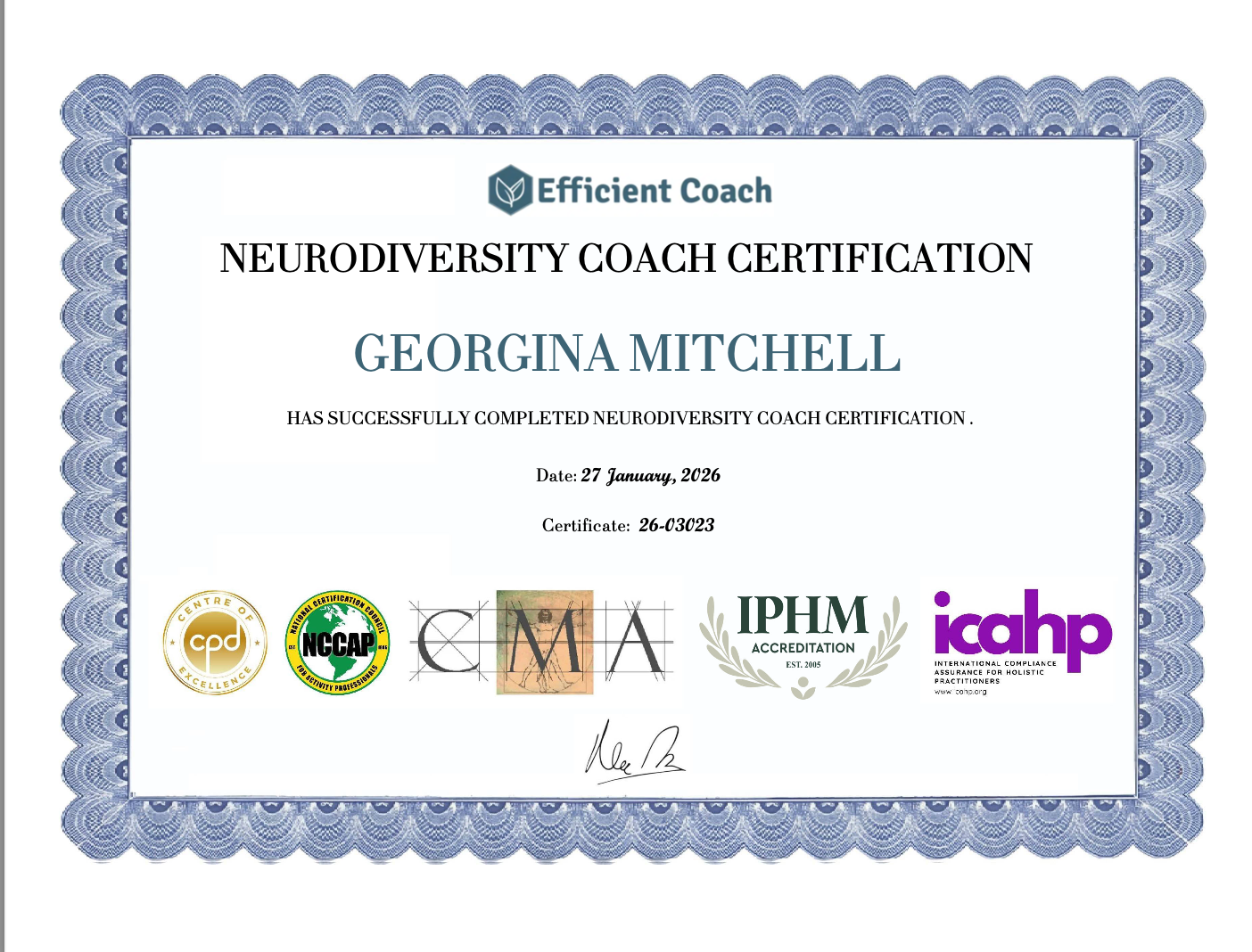
Neurodiversity coaching at Hypfocus is offered by a clinically trained counsellor and hypnotherapist with a strong grounding in:
Neurodiversity‑affirming practice
Trauma‑aware and strengths‑based approaches
Evidence‑informed strategies for ADHD, autism, and related profiles
The aim is not to make you “more normal”, but to help you create systems, stories, and environments that work with your brain and body, so that life feels more possible, more honest, and more yours.
To learn more or book an appointment, visit the contact page on hypfocus.com.au or send an enquiry, mentioning you are interested in Neurodiversity Coaching.